Carlotta Walls: Biography, Life, and Lasting Legacy
The inspiring civil rights journey that changed US history
Introduction
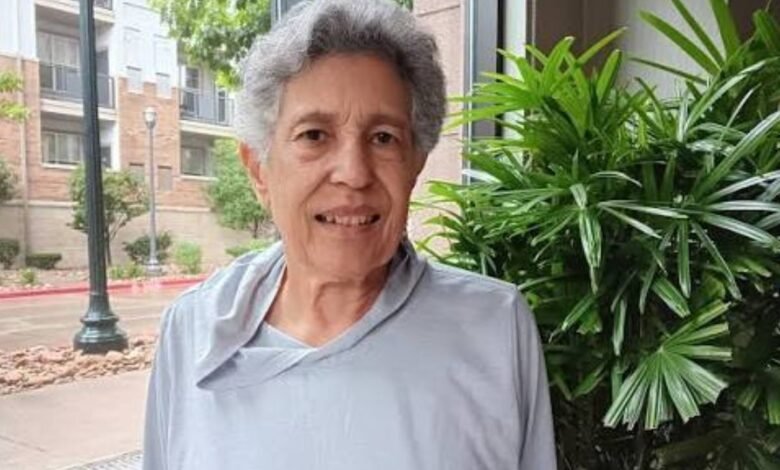
Carlotta Walls LaNier is a name closely connected with one of the most important moments in American civil rights history. In 1957, when she was only 14 years old, she became the youngest member of the Little Rock Nine, the group of Black students who helped integrate Little Rock Central High School in Arkansas. Her decision to attend the previously all-white school placed her at the centre of a national confrontation over racial segregation and equal education.
What makes her story especially powerful is that she was a teenager facing extraordinary pressure. She experienced racial insults, threats, harassment and disruption to her education, yet she continued moving forward. Years later, she built a professional career, wrote about her experiences and continued supporting educational equality. Her life remains an inspiring example of courage, resilience and determination.
Quick Facts About Carlotta Walls
| Category | Details |
|---|---|
| Full Name | Carlotta Walls LaNier |
| Known As | Carlotta Walls |
| Birthplace | Little Rock, Arkansas, United States |
| Nationality | American |
| Profession | Civil Rights Activist, Real Estate Broker, Author |
| Best Known For | Youngest member of the Little Rock Nine |
| Historic School | Little Rock Central High School |
| Age During Integration | 14 |
| High School Graduation | 1960 |
| Higher Education | Michigan State University; University of Northern Colorado |
| Famous Book | A Mighty Long Way |
| Major Honour | Congressional Gold Medal |
| Civil Rights Role | Little Rock Nine member |
| Notable Organization | Little Rock Nine Foundation |
Who Is Carlotta Walls?
Carlotta Walls LaNier is an American civil rights activist who became nationally recognised after helping integrate Little Rock Central High School in 1957. She was one of nine Black teenagers selected to attend the formerly segregated school after the U.S. Supreme Court had ruled that racial segregation in public education was unconstitutional.
Her story is significant because the Little Rock Nine were not simply symbols in a political debate. They were teenagers who had to attend school while facing hostility from people who opposed integration.
Carlotta Walls stood firm despite the pressure. Her experience later became an important part of the history of the American civil rights movement and school desegregation.
Early Life and Background
Carlotta Walls was born and raised in Little Rock, Arkansas, during a period when segregation was deeply embedded in Southern society. Public facilities, schools and many aspects of everyday life were separated according to race.
Growing up in this environment gave Walls an early understanding of the educational inequalities faced by Black children. Like many young people of her generation, she lived at a time when the legal and social systems often denied African Americans the same opportunities available to white Americans.
Her family supported education, and Walls developed an interest in attending a school that could provide stronger academic opportunities. Her decision to seek admission to Central High eventually placed her in a historic position.
Her Age and Physical Features
Carlotta Walls was just 14 years old when she became part of the Little Rock Nine in 1957. Her young age makes her role particularly remarkable because she faced circumstances that would have been difficult even for an adult.
Public information about her exact height, weight and other detailed physical measurements is limited and should not be presented as fact without reliable documentation. Historical photographs show her as a young Black teenager during the Central High crisis, while photographs from later decades show her continuing her public work.
Rather than focusing on physical statistics, her public identity has largely been defined by her courage, education, professional achievements and contribution to civil rights history.
The Little Rock Nine and Central High School
The events of 1957 changed Walls’ life and became a defining chapter in American history.
The Little Rock Nine consisted of nine Black students who attempted to integrate Little Rock Central High School. They faced fierce resistance from segregationists, including hostile crowds gathered outside the school.
The situation became a national crisis. President Dwight D. Eisenhower eventually ordered federal troops to protect the students and enforce the integration of Central High.
For Walls, attending school required extraordinary emotional strength. She had to continue studying while knowing that she could face hostility simply because of the colour of her skin.
Her participation demonstrated that the struggle for civil rights was not only being fought by famous political leaders. Young students were also directly involved in changing the country.
The 1958–1959 “Lost Year”
The challenges did not end after the first year of integration.
In 1958, Arkansas Governor Orval Faubus opposed continued desegregation and supported the closure of Little Rock’s public high schools. The resulting 1958–1959 school year became known as the “Lost Year.”
For Walls, this interruption represented another obstacle in her educational journey. Instead of allowing the disruption to end her ambitions, she continued working toward completing high school.
When Central High reopened, she returned and continued her studies.
Graduation and a Historic Achievement
In 1960, Carlotta Walls graduated from Little Rock Central High School.
Her graduation was an important personal achievement and a major milestone in the history of school desegregation. She had remained committed to completing her education despite years of hostility and disruption.
The difficulties surrounding her family also became severe. The Walls family home was bombed in 1960, demonstrating the level of danger and intimidation associated with the struggle for integration.
Despite these circumstances, Walls completed high school and moved forward with her education and professional life.
Education and Career
After graduating from Central High, Walls attended Michigan State University and later graduated from the University of Northern Colorado. Her education helped her build a life beyond the events that had made her famous.
She eventually established a career as a real estate broker. Her professional success demonstrated her determination to create a fulfilling life while remaining connected to the causes that had shaped her early years.
She also became an author and public speaker, sharing her experiences with audiences interested in American history, education and civil rights.
Career and Major Achievements
Carlotta Walls’ major achievements include helping integrate Central High School, graduating in 1960, building a career in real estate, publishing her memoir and receiving the Congressional Gold Medal with the other members of the Little Rock Nine in 1999. She has also continued supporting educational equality through advocacy and public engagement.
A Mighty Long Way
One of the most important ways Walls preserved her personal history was through her memoir, A Mighty Long Way: My Journey to Justice at Little Rock Central High School.
Published in 2009, the book gives readers a personal account of her experiences during the Little Rock crisis. It provides insight into the fear, pressure and determination involved in attending a previously segregated school.
The memoir is valuable because it places a young person’s perspective at the heart of a major historical event. Instead of viewing the Little Rock Nine only through political history, readers can understand the human experience behind the headlines.
Relationship With the Little Rock Nine
Carlotta Walls shared an extraordinary experience with the other eight members of the Little Rock Nine. Together, they faced discrimination and threats while helping enforce the principle of equal access to public education.
Their shared experience created a lasting historical connection. Although each member eventually followed an individual path, their collective role remains one of the strongest symbols of the American school desegregation movement.
Walls’ story is therefore inseparable from the broader legacy of the Little Rock Nine.
Marriage and Family Life
Carlotta Walls has maintained a relatively private approach to her personal and family life compared with the public attention surrounding her civil rights work.
Because her public legacy centres primarily on education, activism and professional achievements, detailed information about her marriage and extended family is not as widely documented in reliable public sources.
This privacy is important to respect. Her historical significance does not depend on revealing private family details, but on the courage and accomplishments she has publicly shared throughout her life.
Social Media Presence
Carlotta Walls belongs to a generation whose historic work began long before social media existed. As a result, her public presence is more strongly associated with interviews, books, educational programmes, historical organisations and public appearances than with personal social media activity.
Information appearing online under her name should be considered carefully, particularly when it concerns personal accounts. Her published memoir and documented public appearances provide a more reliable way to understand her life and views.
Personality and Interests
Walls’ life reflects qualities such as determination, resilience and a strong commitment to education. Her decision to enter Central High at 14 required confidence and an ability to continue despite overwhelming opposition.
Education has remained an important theme throughout her life. Her professional career, writing and advocacy all demonstrate an interest in helping future generations understand the importance of opportunity and equality.
Her public work also shows a willingness to preserve history. By sharing her experiences, she has helped ensure that younger audiences can understand what the Little Rock Nine endured.
Net Worth and Income
A verified public figure for Carlotta Walls LaNier’s current net worth is not reliably established. It would therefore be misleading to provide a specific dollar amount as though it were confirmed.
Her professional income has included work as a real estate broker, while her later public activities have included writing, speaking and educational advocacy. However, private earnings, investments and personal assets are not fully documented in reliable public sources.
For that reason, any websites claiming an exact net worth should be treated cautiously unless the figure is supported by credible evidence.
Congressional Gold Medal
In 1999, Carlotta Walls and the other eight members of the Little Rock Nine received the Congressional Gold Medal.
The award recognised their historic role in challenging racial segregation and advancing equal educational opportunities. It was one of the most significant national recognitions of their contribution to American civil rights history.
For Walls, the honour came more than four decades after she first walked into Central High as a teenager.
Public Image and Legacy
Carlotta Walls is widely remembered as a symbol of courage and perseverance. Her image is closely associated with the Little Rock Nine and the struggle to make constitutional rights meaningful in everyday life.
One of the most powerful aspects of her legacy is her age. She was only 14 when she entered a national conflict over segregation. Yet she continued her education despite threats and intimidation.
Her legacy also extends beyond the events of 1957. Through her professional life, memoir and advocacy, she has demonstrated that the Little Rock story was only the beginning of a much longer journey.
Her contribution is particularly meaningful for young people. Walls’ experience shows that teenagers can influence history when they are willing to stand for principles larger than themselves.
Why Carlotta Walls’ Story Still Matters
The story of Carlotta Walls remains relevant because debates about educational equality and opportunity continue today.
The integration of Central High showed that changing laws is only one part of creating social change. People must also be willing to challenge discrimination and ensure that legal rights become real opportunities.
Walls’ experience also reminds readers that historic change often comes with personal costs. The Little Rock Nine faced threats, hostility and disruption, yet their actions helped transform the national conversation about race and education.
Her life therefore offers lessons about courage, patience and the importance of education.
Conclusion
Carlotta Walls LaNier’s life is a powerful chapter in the history of American civil rights. At only 14, she entered Little Rock Central High School as one of the Little Rock Nine and faced hostility that few teenagers could imagine.
Yet she did not allow intimidation or disruption to determine her future. She graduated from Central High in 1960, continued her education, built a professional career and later documented her experiences for future generations.
Her Congressional Gold Medal, memoir and continued advocacy have helped preserve the significance of the Little Rock struggle. More than six decades after the events that made her famous, her story continues to demonstrate the importance of courage, education and perseverance.
For anyone searching for the story behind Carlotta Walls, her life offers more than a historical biography. It is a reminder that meaningful change can begin with the courage of a single young person willing to take a difficult step toward equality.
8 Frequently Asked Questions About Carlotta Walls
1. Who is Carlotta Walls?
Carlotta Walls LaNier is an American civil rights activist and the youngest member of the Little Rock Nine, the group of Black students who integrated Little Rock Central High School in 1957.
2. How old was Carlotta Walls when she entered Central High School?
Carlotta Walls was 14 years old when she became one of the students who integrated Central High School in Little Rock.
3. Why is Carlotta Walls famous?
She is famous for her role in the Little Rock Nine and for helping challenge racial segregation in American public education.
4. When did Carlotta Walls graduate from Central High School?
She graduated from Little Rock Central High School in 1960 after continuing her education despite the “Lost Year” caused by the closure of Little Rock’s public high schools.
5. What did Carlotta Walls do after high school?
She continued her education at Michigan State University and the University of Northern Colorado before developing a career as a real estate broker.
6. Did Carlotta Walls write a book?
Yes. She wrote A Mighty Long Way: My Journey to Justice at Little Rock Central High School, a memoir about her experiences as a member of the Little Rock Nine.
7. Did Carlotta Walls receive a major national award?
Yes. In 1999, she and the other members of the Little Rock Nine received the Congressional Gold Medal for their contribution to the civil rights movement.
8. What is Carlotta Walls’ lasting legacy?
Her lasting legacy is her courage in confronting school segregation as a teenager and her continued commitment to education, equality and preserving the history of the civil rights movement.