Retro Golf: The Ultimate Guide to Vintage Golf Fashion
Discover Classic Retro Golf Styles From Four Iconic Decades
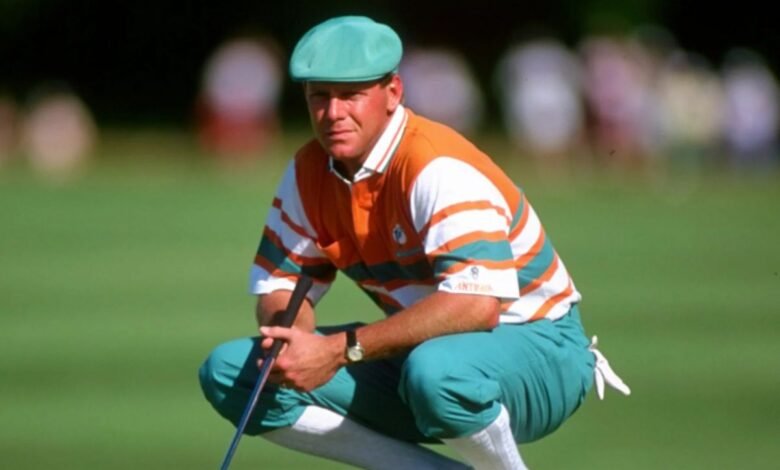
Retro golf fashion brings together the style, personality, and sporting culture of some of golf’s most memorable decades. From the polished polos of the 1960s to the colorful patterns of the 1970s and the oversized looks of the 1990s, each era created a distinctive identity on and off the course. What makes retro golf especially appealing today is its balance of classic design and playful character. These outfits were not only designed for playing golf but also reflected changing ideas about leisure, status, comfort, and personal style. Whether you are a longtime golf fan or simply interested in vintage clothing, exploring these styles offers a fascinating look at how golf fashion evolved. This guide covers the history, major trends, iconic pieces, modern influence, and lasting appeal of vintage golf style.
Table of Contents
ToggleQuick Facts About Retro Golf
| Category | Details |
|---|---|
| Main Focus | Vintage golf fashion and style |
| Key Eras | 1960s, 1970s, 1980s, 1990s |
| 1960s Style | Tailored polos, sweaters, high-waisted trousers |
| 1970s Style | Bold prints, wide collars, flared trousers |
| 1980s Style | Preppy colors, popped collars, pleated khakis |
| 1990s Style | Oversized polos, mock necks, relaxed trousers |
| Popular Materials | Cotton, wool, polyester blends, knit fabrics |
| Signature Accessories | Visors, hats, belts, vintage golf shoes |
| Major Influence | Professional golfers and country-club culture |
| Modern Appeal | Vintage sportswear, casual fashion, nostalgia |
What Is Retro Golf?
Retro golf refers to golf-inspired clothing, accessories, aesthetics, and culture drawn from earlier periods of the sport. Rather than representing one specific style, it covers several decades of changing fashion.
The most recognizable period stretches from the 1960s through the 1990s. During these years, golf clothing moved from conservative country-club tailoring toward colorful sportswear and eventually relaxed, logo-heavy athletic fashion.
The term can describe authentic vintage garments as well as modern clothing designed to look like it came from an earlier era. Today, retro-inspired golf clothing is popular because it combines nostalgia with distinctive visual details that are often missing from minimalist modern sportswear.
Early Background of Vintage Golf Fashion
Golf has long had a close relationship with fashion. Traditional golf clothing developed around the requirements of outdoor sport while also reflecting the social environment of golf clubs.
Earlier golfers commonly wore structured trousers, collared shirts, sweaters, jackets, and traditional headwear. As fabrics improved and attitudes toward casual clothing changed, golf outfits became more comfortable and expressive.
By the 1960s, the sport was entering an important period of modernization. Professional golfers became increasingly visible to the public through television, magazines, and major tournaments. Their clothing helped influence what ordinary golfers wanted to wear.
Retro Golf in the 1960s
The 1960s introduced a cleaner and more relaxed approach to golf clothing. Although country-club standards remained important, golfers increasingly favored garments that allowed greater freedom of movement.
Short-sleeved polo shirts became a central part of the golfing wardrobe. They were usually tucked into tailored trousers and often appeared in understated colors such as cream, pale yellow, light blue, and other soft shades.
Lightweight V-neck sweaters and cardigans were also important. These layers added warmth without destroying the neat silhouette expected on the course.
Trousers tended to sit higher on the waist than many modern designs. Flat-front styles and carefully tailored cuts gave golfers a polished appearance.
Professional figures such as Arnold Palmer and Jack Nicklaus became closely associated with this era. Their presence helped establish a sophisticated but approachable image for the modern golfer.
Retro Golf in the 1970s
The 1970s completely changed the visual language of golf clothing. Compared with the relatively restrained 1960s, this decade embraced stronger colors, dramatic patterns, and more adventurous silhouettes.
Large argyle patterns, bold plaids, geometric designs, houndstooth, and colorful prints became popular. Synthetic polyester blends also became increasingly useful because they could provide practical performance while supporting brighter designs.
One of the most recognizable features was the oversized collar. Polo shirts developed wide, dramatic collars that became an unmistakable part of 1970s sports fashion.
Trousers followed the same expressive direction. Flared legs and bell-bottom-inspired shapes created a striking silhouette when paired with colorful shirts.
The decade demonstrated that golf clothing did not have to be conservative. A golfer could remain appropriately dressed while still showing considerable personality.
Retro Golf in the 1980s
During the 1980s, golf fashion moved toward a cleaner preppy appearance. The loudest trends of the previous decade became less dominant, while country-club and Ivy League influences became more visible.
Polo shirts remained essential, but bright colors and polished styling became increasingly important. The popped collar became one of the decade’s best-known fashion details.
Sweaters were sometimes worn casually over the shoulders rather than as an actual layer. This styling choice became strongly associated with affluent preppy culture and fitted naturally into the golf environment.
Pleated khaki trousers and checked pants were popular choices. Compared with the more fitted styles of the 1960s, these garments offered a somewhat more relaxed shape.
Bright pastel shades and bold color combinations kept the decade energetic. The result was a look that combined traditional golf etiquette with a youthful fashion sensibility.
Retro Golf in the 1990s
The 1990s brought another major transformation. Golf clothing became looser, more athletic, and more heavily influenced by mainstream sportswear.
Polo shirts developed longer sleeves and roomier cuts. Instead of the close tailoring associated with earlier decades, golfers increasingly favored relaxed silhouettes.
Trousers also became wider and more generous. Deep pleats and loose-fitting designs provided additional comfort and reflected broader 1990s fashion trends.
Mock-neck shirts became another recognizable choice. Their athletic appearance offered an alternative to the traditional collared polo and became associated with modern professional golf styling.
Branding was also increasingly visible. Golf apparel companies used larger logos and stronger visual identities, helping golf clothing cross over into casual and streetwear culture.
Career and Major Achievements of Vintage Golf Style
The development of vintage golf fashion can be viewed as a series of major style achievements. The 1960s established the polished polo-and-trouser combination, the 1970s introduced expressive patterns, the 1980s popularized preppy styling, and the 1990s pushed golf toward relaxed sportswear and prominent branding.
Together, these changes created the foundation for many modern golf fashion trends.
Relationship With Professional Golf
Professional golf has always influenced what recreational players wear. Successful players are highly visible, and their clothing can quickly become part of the sport’s wider culture.
During the television era, golfers were no longer seen only at tournaments. Their appearance became part of their public image.
This connection between professional players and clothing helped make specific colors, collars, trousers, hats, and accessories recognizable to fans.
The relationship works both ways. Golf apparel companies also use professional players to introduce new fabrics, designs, and technologies to the public.
Marriage and Family Life of Retro Golf Fashion
Although fashion does not literally have a family life, its history can be understood through the way different generations of golf clothing influenced one another.
The tailored styles of the 1960s became the foundation for the colorful experimentation of the 1970s. The preppy 1980s borrowed elements from both traditional golf and contemporary fashion.
The 1990s then combined earlier golf traditions with the rapidly growing influence of athletic and casual clothing.
In this sense, each decade became part of the larger “family” of golf style, with older ideas repeatedly reinterpreted by newer generations.
Social Media Presence and Modern Popularity
Modern social media has helped revive interest in vintage sportswear, including classic golf clothing.
Photographs of old tournament outfits, vintage advertisements, classic golf clubs, and retro-inspired outfits can easily reach new audiences. Fashion enthusiasts often recreate older looks while adapting them for modern wardrobes.
The visual nature of vintage golf clothing makes it particularly suitable for platforms built around photography and short-form fashion content.
This renewed interest has also encouraged modern brands and independent sellers to experiment with classic patterns, oversized silhouettes, knitwear, and old-school logos.
Who Is Retro Golf For?
Retro golf is not limited to professional golfers or serious players. It can appeal to anyone who enjoys vintage fashion, sports history, or classic country-club aesthetics.
Some people prefer authentic vintage garments, while others choose modern pieces inspired by older designs.
It is also possible to mix eras. A modern golfer might wear a 1970s-inspired patterned polo with contemporary trousers, or combine a classic 1980s sweater with modern golf shoes.
The important thing is to capture the character of the period without making the outfit feel like a costume.
Personality and Interests Behind the Style
One reason vintage golf clothing remains interesting is that it communicates personality.
The restrained 1960s look can suggest elegance and simplicity. The colorful 1970s aesthetic feels adventurous and confident, while the 1980s preppy look communicates polished leisure.
The relaxed 1990s style, meanwhile, has a casual athletic quality.
This variety means golfers can choose a vintage-inspired appearance that matches their own personality rather than following one fixed definition of classic golf style.
Net Worth and Income of the Retro Golf Industry
Retro golf is a fashion and cultural style rather than a person, so it does not have an individual net worth or personal income.
However, vintage golf clothing can have financial value depending on factors such as age, condition, rarity, brand, historical significance, and demand.
Rare garments connected with famous golfers, notable tournaments, or influential golf brands can attract collectors. At the same time, ordinary vintage pieces may remain relatively affordable.
The value of an item is therefore determined by the individual garment rather than the broader retro trend itself.
Most Iconic Retro Golf Clothing Pieces
Several pieces have become strongly associated with classic golf fashion.
Polo shirts are perhaps the most important. Their versatility allowed them to survive changes in fashion while remaining central to golf.
Argyle sweaters represent the traditional side of vintage golf style and can immediately give an outfit a classic sporting appearance.
Pleated trousers became particularly important during the 1980s and 1990s, when looser silhouettes were increasingly accepted.
Wide-collar shirts capture the personality of 1970s golf fashion and remain popular among vintage clothing enthusiasts.
Mock-neck shirts represent the more athletic direction that became prominent during the 1990s.
Golf visors and classic hats complete many vintage-inspired outfits while adding a practical element.
How to Build a Retro Golf Outfit
Creating a vintage-inspired outfit does not require buying an entire wardrobe.
Start by choosing the decade you want to represent. For a 1960s appearance, look for a fitted polo, high-waisted trousers, and a lightweight sweater.
For the 1970s, choose a bold patterned shirt and combine it with flared trousers. A vintage-style leather golf shoe can complete the look.
For an 1980s outfit, a colorful polo, pleated khakis, and a sweater worn over the shoulders can create an instantly recognizable aesthetic.
For a 1990s appearance, choose an oversized polo or mock-neck shirt with relaxed trousers and a noticeable sportswear logo.
The easiest way to keep the outfit modern is to combine one or two vintage-inspired pieces with contemporary basics.
Why Retro Golf Fashion Is Popular Again
The renewed interest in vintage golf style is part of a broader fascination with nostalgia and classic sportswear.
Modern athletic clothing is often highly technical and minimalist. While that approach offers excellent performance, vintage designs can feel more expressive and personal.
Older golf outfits also have strong visual identities. Wide collars, colorful patterns, pleated trousers, knit sweaters, and classic logos immediately communicate a particular era.
For many people, the appeal is not simply nostalgia. It is the opportunity to wear clothing with more character.
Public Image and Legacy
The lasting legacy of vintage golf fashion can be seen in how many of its designs continue to influence contemporary clothing.
The polo shirt remains a wardrobe staple. Argyle patterns repeatedly return to fashion, while pleated trousers and relaxed sportswear regularly experience revivals.
Professional golf has also maintained strong connections with style and branding. Modern players may wear technically advanced garments, but many designs still borrow visual ideas from previous generations.
The legacy of vintage golf therefore extends beyond old tournament photographs. Its influence can be found in contemporary sportswear, casual clothing, and fashion collections inspired by classic athletic culture.
Retro Golf vs. Modern Golf Fashion
Modern golf apparel focuses heavily on technical performance. Stretch fabrics, moisture management, lightweight construction, and breathable materials are now standard considerations.
Vintage designs generally prioritized appearance, comfort, and the materials available at the time.
Neither approach is necessarily better. Modern clothing is often more practical for demanding play, while vintage-inspired clothing offers distinctive visual appeal.
This is why combining the two can work so well. A golfer can enjoy modern performance while choosing colors, patterns, or silhouettes inspired by an earlier decade.
The Future of Vintage Golf Style
The popularity of vintage-inspired clothing suggests that classic golf fashion will continue influencing new designs.
Rather than returning exactly as it appeared decades ago, vintage style is likely to be reinterpreted. Designers can take a 1970s pattern, an 1980s color palette, or a 1990s oversized silhouette and combine it with modern performance materials.
This creates clothing that looks nostalgic without sacrificing functionality.
The result is a style that respects golf’s history while remaining relevant to today’s players.
Conclusion
Retro golf represents much more than old-fashioned golf clothing. It captures the changing identity of the sport across several important decades.
The 1960s introduced polished simplicity, the 1970s embraced bold expression, the 1980s delivered preppy country-club confidence, and the 1990s moved toward relaxed athletic sportswear. Each period contributed something distinctive to the history of golf fashion.
Today, these styles continue to inspire golfers, collectors, and fashion enthusiasts. Whether you prefer a classic polo and tailored trousers or a colorful 1970s-inspired outfit, vintage golf fashion provides plenty of opportunities to express personality while celebrating the sport’s rich visual history.
8 FAQs About Retro Golf
1. What does retro golf mean?
Retro golf refers to golf fashion, clothing, accessories, and aesthetics inspired by earlier decades. It commonly includes styles from the 1960s through the 1990s.
2. What did golfers wear in the 1960s?
Golfers commonly wore fitted polo shirts, tailored high-waisted trousers, lightweight sweaters, cardigans, and traditional golf shoes. Pastel colors were especially popular.
3. What made 1970s golf fashion unique?
The 1970s were known for bold patterns, wide collars, colorful polyester shirts, argyle designs, and flared trousers. The decade was much more expressive than the 1960s.
4. What is the classic 1980s golf look?
A typical 1980s-inspired golf outfit can include a brightly colored polo with a popped collar, pleated khakis, and a sweater casually worn around the shoulders.
5. What did golfers wear in the 1990s?
1990s golf fashion favored oversized polos, mock-neck shirts, loose pleated trousers, strong color combinations, and prominent sportswear branding.
6. Is retro golf fashion still popular?
Yes. Vintage-inspired sportswear continues to influence modern golf clothing and casual fashion. Classic patterns, relaxed fits, and traditional golf pieces remain popular.
7. How can I create a retro golf outfit?
Choose one decade as your inspiration and select a few defining pieces. For example, use a pastel polo and tailored trousers for the 1960s or a bold patterned shirt and flared trousers for a 1970s look.
8. Can retro golf clothing be worn casually?
Absolutely. Polo shirts, argyle sweaters, pleated trousers, vintage jackets, and classic golf-inspired shoes can all work as everyday fashion pieces when styled with modern clothing.