Fascisterne Explained: Meaning, History, Ideology, and Modern Political Usage
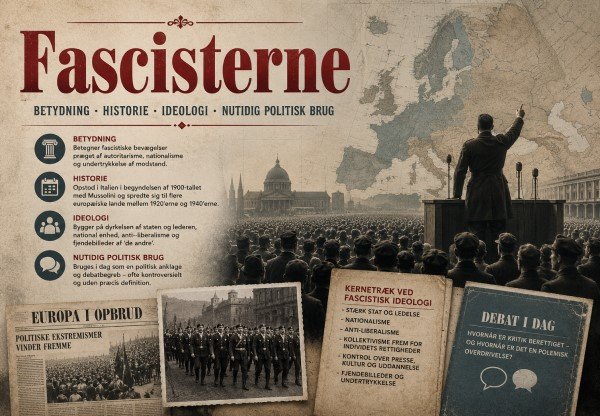
The term fascisterne has gained attention in political discussions, historical studies, and online debates across different countries. Although many people use the word casually, its historical and political meaning is much deeper. Understanding fascisterne requires knowledge of fascism, its origins in Europe, and the impact it had on global history.
In simple terms, fascisterne refers to “the fascists” in Scandinavian languages such as Danish and Norwegian. The word is commonly associated with political movements that support authoritarian leadership, extreme nationalism, and centralized state control.
Today, the term is still discussed in modern politics, media analysis, and educational content. However, many misunderstandings exist about what fascisterne truly means. This article explains the meaning, history, characteristics, and modern relevance of the term in a balanced and informative way.
What Does Fascisterne Mean?
The word fascisterne directly translates to “the fascists” in English. It is mainly used in Scandinavian languages and refers to people, groups, or political movements connected to fascist ideology.
Fascism is a political system built around:
- Strong centralized authority
- National unity
- Strict government control
- Limited political opposition
- Loyalty to the state or leader
Historically, fascisterne were individuals who supported fascist political movements during the early and mid-20th century.
In modern discussions, the word is sometimes used more broadly to describe authoritarian political behavior. However, historians emphasize that fascism has a specific historical meaning and should not be used loosely.
The Historical Origins of Fascisterne
Fascism in Italy
The roots of fascism began in Italy after World War I. During the 1920s, Benito Mussolini created a political movement focused on nationalism, discipline, and centralized power. His government promoted the idea that the state should have authority over many aspects of public and political life.
This movement became known as fascism, and its supporters were considered fascists.
Mussolini’s rise to power influenced political groups across Europe and helped spread fascist ideology internationally.
Expansion Across Europe
During the period between World War I and World War II, fascist movements appeared in several European countries. Some groups admired Mussolini’s leadership style and attempted to create similar systems in their own nations.
In Germany, Adolf Hitler and the Nazi Party developed a more extreme version of authoritarian nationalism known as Nazism. Many historians consider Nazism a form of fascism, although it also included additional racial and ideological beliefs that made it distinct.
The spread of these movements created political instability and contributed to major global conflicts.
Core Characteristics of Fascisterne Ideology
Understanding fascisterne becomes easier when examining the common features of fascist systems.
Centralized Leadership
Fascist governments usually revolve around a single powerful leader. Political authority is concentrated at the top, and opposition is often discouraged or restricted.
Supporters are expected to show loyalty to the leader and the state.
Extreme Nationalism
National identity plays a major role in fascist ideology. Fascist movements often present the nation as more important than individual interests.
This strong nationalism can sometimes create division between groups within society.
Opposition to Liberal Democracy
Fascist systems historically rejected liberal democratic structures such as multi-party elections and unrestricted political debate.
Many fascist leaders believed democratic systems were weak or ineffective during times of national crisis.
Media and Information Control
Control over public messaging has been a common feature of fascist governments. Media, education, and public communication are often influenced by the state to support official narratives.
This limits criticism and reduces political opposition.
Military Strength and Discipline
Fascist movements frequently place importance on military power, discipline, and national strength. In many historical cases, military expansion was presented as a symbol of national success.
Fascisterne and World War II
The influence of fascisterne became most visible during World War II. Fascist governments and allied extremist movements played a major role in shaping the conflict.
The war caused:
- Massive destruction
- Economic collapse
- Human suffering
- Political instability across Europe and other regions
The events of World War II also changed global attitudes toward authoritarian rule and strengthened international support for democratic systems and human rights protections.
The consequences of fascist expansion continue to influence political discussions today.
Fascisterne in Modern Politics
Today, the term fascisterne still appears in political debates and media discussions. However, experts often warn against using the term inaccurately.
Not every strict government or unpopular political policy qualifies as fascism. Political scientists generally define fascism using a combination of features, including:
- Authoritarian leadership
- Aggressive nationalism
- Suppression of opposition
- Centralized state control
Because of its historical importance, the word should be used carefully and responsibly.
Understanding the Related Keyword “Fascisterna”
The related keyword fascisterna is similar in meaning to fascisterne. It is commonly used in Swedish and also translates to “the fascists.”
Both terms refer to fascist groups or supporters, but they belong to different Scandinavian languages.
People searching for fascisterna are usually looking for:
- Historical explanations
- Political definitions
- European history
- Modern political analysis
Because the two keywords are closely connected, they are often discussed together in educational and historical content.
Common Misunderstandings About Fascisterne
Fascisterne Does Not Mean Every Strict Government
A government being strict or highly organized does not automatically make it fascist. Fascism involves specific political and ideological characteristics.
The Word Should Not Be Used Casually
Because fascism is linked to major historical tragedies, experts recommend using the term carefully and accurately.
Using the word incorrectly can create confusion and weaken meaningful political discussions.
Fascism Has Historical Context
Fascism is strongly connected to European political movements of the early 20th century. Understanding that context is important when discussing fascisterne today.
Why Learning About Fascisterne Still Matters
Studying fascisterne helps people better understand:
- European history
- Political extremism
- Authoritarian systems
- The importance of democratic institutions
- The role of propaganda in politics
Learning about historical ideologies also encourages more informed and responsible discussions in modern society.
Quick Info About Fascisterne
| Topic | Information |
|---|---|
| Meaning | “The fascists” |
| Language Origin | Danish and Norwegian |
| Related Keyword | Fascisterna |
| Political Connection | Fascism |
| Historical Period | Early to mid-20th century |
| Main Features | Nationalism, authoritarianism, centralized control |
| Common Usage Today | Political and historical discussions |
FAQs About Fascisterne
What does fascisterne mean?
Fascisterne means “the fascists” and refers to people or groups associated with fascist ideology.
Is fascisterne a political term?
Yes, it is mainly used in political and historical discussions related to fascism.
What is the difference between fascisterne and fascisterna?
Both words have the same meaning, but fascisterne is used in Danish and Norwegian, while fascisterna is Swedish.
Is fascism the same as authoritarianism?
Not exactly. Fascism is a specific ideological system that includes authoritarian leadership along with extreme nationalism and political control.
Why is fascisterne still discussed today?
The term remains important in discussions about history, political ideology, and modern authoritarian movements.
Conclusion
Fascisterne is a historically significant term connected to fascist political movements that emerged in Europe during the early 20th century. The word refers to supporters of fascism and is commonly used in Scandinavian languages.
Understanding fascistrne involves examining the origins of fascism, its political characteristics, and its influence on world history. It also requires careful use of the term in modern discussions to avoid misinformation or oversimplification.