Chameleónovité: Amazing Adaptations, Habitat, Behavior, and Survival Secrets
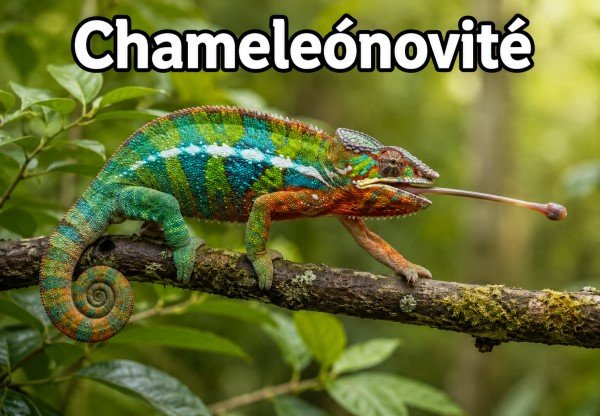
Chameleónovité are among the most fascinating reptiles in the animal kingdom. Known for their color-changing abilities, unique eye movement, and lightning-fast tongues, these remarkable creatures have adapted to survive in some of the world’s most challenging environments. Most species are found in Africa and Madagascar, although a few also live in parts of Europe, Asia, and the Middle East.
People often associate chameleons only with changing colors, but there is much more to these reptiles. Their body structure, hunting strategy, and survival techniques make them one of nature’s most advanced reptiles. This article explores the habitat, behavior, physical features, adaptations, diet, and ecological importance of chameleónovité in detail.
Quick Info About Chameleónovité
| Feature | Information |
|---|---|
| Scientific Family | Chamaeleonidae |
| Common Name | Chameleons |
| Habitat | Forests, deserts, mountains, grasslands |
| Diet | Insects and small animals |
| Lifespan | 2 to 10 years depending on species |
| Main Regions | Africa, Madagascar, Asia, Europe |
| Special Ability | Color changing and independent eye movement |
| Hunting Tool | Long projectile tongue |
Habitat and Distribution of Chameleónovité
Tropical Forest Habitats
Most Chameleónovité live in tropical rainforests where trees, humidity, and insects are abundant. Dense forests provide perfect camouflage and protection from predators. Their green and brown body colors help them blend naturally with leaves and branches.
Madagascar is home to the highest number of chameleon species in the world. Many species found there exist nowhere else on Earth.
Desert and Dry Climate Adaptations
Some species have evolved to survive in dry and arid regions. These chameleons can conserve water efficiently and tolerate extreme temperatures. Their skin and body systems help reduce water loss, allowing them to survive in harsh desert environments.
Mountain and Grassland Environments
Certain chameleónovité species live in mountain forests and open grasslands. These habitats require special temperature regulation because environmental conditions change quickly. Chameleons living in cooler climates often spend more time basking in sunlight to maintain body heat.
Unique Physical Features of Chameleónovité
Color-Changing Ability
The most famous feature of Chameleónovité is their ability to change color. Contrary to popular belief, they do not change color only for camouflage.
Color changes help them:
- Communicate with other chameleons
- Regulate body temperature
- Express stress or fear
- Attract mates
- Show dominance
Special skin cells called chromatophores and iridophores control these color changes.
Independent Eye Movement
Chameleons possess one of the most specialized visual systems among reptiles. Their eyes can move independently, allowing them to observe two different directions at the same time.
This ability helps them:
- Detect predators quickly
- Track insects accurately
- Monitor their surroundings without moving
Their wide field of vision is essential for survival in the wild.
Specialized Feet and Tail
Their feet are designed like natural clamps that grip branches tightly. Each foot contains fused toes that improve stability while climbing.
The tail is prehensile, meaning it can wrap around branches for extra support. This helps chameleons maintain balance while moving through trees.
Long and Powerful Tongue
Chameleónovité use an incredibly fast tongue to catch prey.
v=dtv=\frac{d}{t}
Their tongue can extend longer than their body and strike prey in a fraction of a second. The sticky tip instantly traps insects before they can escape.
Behavior and Lifestyle
Solitary Nature
Most chameleons prefer living alone. They are highly territorial animals and usually avoid interaction with others except during mating seasons.
Male chameleons may display bright colors to warn rivals and defend territory.
Slow and Careful Movement
Unlike many reptiles, chameleons move very slowly and carefully. Their movement often resembles leaves swaying in the wind. This unique behavior helps them avoid predators and remain unnoticed while hunting.
Communication Through Colors
Color plays a major role in chameleon communication. Bright colors often indicate aggression or dominance, while darker shades may signal stress or fear.
Female chameleons may also display specific colors during breeding periods.
Diet and Hunting Strategy
What Do Chameleónovité Eat?
Chameleónovité are primarily insectivores. Their diet commonly includes:
- Crickets
- Grasshoppers
- Flies
- Beetles
- Caterpillars
- Moths
Larger species may occasionally eat small birds, tiny reptiles, or baby rodents.
Hunting Technique
Chameleons rely on patience rather than speed. They remain motionless for long periods before launching their tongue with incredible precision.
Their hunting process includes:
- Careful observation of prey
- Accurate distance calculation
- Rapid tongue projection
- Instant prey capture
This efficient method conserves energy and increases hunting success.
Reproduction and Life Cycle
Egg-Laying Species
Most chameleónovité lay eggs. Female chameleons dig holes in the soil where they bury their eggs for protection. Depending on the species, incubation may last several months.
Live-Bearing Species
Some species give birth to live young instead of laying eggs. This adaptation is especially useful in colder climates where buried eggs may struggle to survive.
Young chameleons are independent immediately after birth or hatching.
Ecological Importance of Chameleónovité
Natural Pest Control
Chameleons play a major role in controlling insect populations. By feeding on insects, they help maintain ecological balance and support healthy ecosystems.
This natural pest control also benefits agriculture by reducing harmful insect populations.
Indicators of Environmental Health
Scientists consider chameleons important environmental indicators. A decline in their population can signal habitat destruction, pollution, or climate change.
Protecting chameleons also helps preserve biodiversity in fragile ecosystems.
Threats Facing Chameleónovité
Habitat Destruction
Deforestation is one of the biggest threats to chameleons. As forests disappear, these reptiles lose their natural homes and food sources.
Illegal Wildlife Trade
Rare chameleon species are often captured for the exotic pet trade. Illegal wildlife trafficking has placed several species at risk.
Climate Change
Rising temperatures and environmental changes are affecting breeding patterns, food availability, and habitat stability.
Conservation Efforts
Protecting Chameleónovité requires global conservation efforts.
Important steps include:
- Protecting forests and natural habitats
- Preventing illegal wildlife trade
- Supporting biodiversity programs
- Promoting wildlife education and awareness
Conservation organizations continue working to protect endangered chameleon species worldwide.
Amazing Facts About Chameleónovité
- Some species can detect ultraviolet light
- Their tongue can extend twice their body length
- Madagascar contains most known chameleon species
- Chameleons have highly specialized vision
- Certain species can display biofluorescence under specific lighting
Conclusion
Chameleónovité are extraordinary reptiles with remarkable survival abilities. From their advanced vision and color-changing skin to their powerful hunting tongue, every part of their body is designed for adaptation and survival.
These reptiles are not only fascinating creatures but also important contributors to ecological balance. Understanding their behavior, habitat, and environmental importance highlights the need to protect them for future generations.
FAQs About Chameleónovité
What are chameleónovité?
Chameleónovité are a family of reptiles commonly known as chameleons, famous for their color-changing abilities and specialized adaptations.
Why do chameleons change color?
They change color for communication, temperature regulation, emotional expression, camouflage, and attracting mates.
Where are chameleónovité found?
Most species live in Africa and Madagascar, while others exist in parts of Asia and Europe.
What do chameleons eat?
They mainly eat insects such as crickets, flies, and grasshoppers. Larger species may also consume small vertebrates.
Are chameleons dangerous to humans?
No, chameleons are generally harmless and non-aggressive toward humans.
Why are chameleons important to ecosystems?
They help control insect populations and serve as indicators of environmental health.