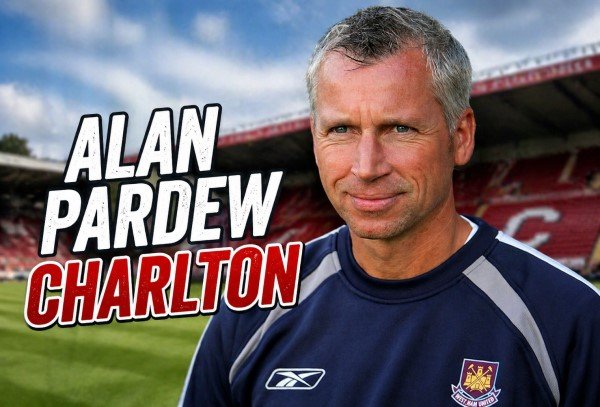
Alan Pardew Charlton: The Complete Story of His Football Legacy at Charlton Athletic
Introduction: The Dual Role of Alan Pardew at Charlton Athletic
When it comes to football managers and players who have left a lasting mark on a club, few stories are as multifaceted as that of Alan Pardew and his connection with Charlton Athletic. Alan Pardew, a name synonymous with both determination and resilience, has seen both highs and lows in his football career. His association with Charlton Athletic spans over a decade, playing a pivotal role as both a player in the early 1990s and later as the club’s manager during a difficult period.
This article delves deep into the story of Alan Pardew at Charlton, his playing career, managerial challenges, and the lasting impact he left on the club. Whether you are a Charlton fan or just a football enthusiast, this comprehensive guide will provide all the essential details you need to know about Alan Pardew’s unforgettable journey at Charlton Athletic.
Who is Alan Pardew?
Early Life and Football Beginnings
Alan Scott Pardew was born on July 18, 1961, in Wimbledon, England. Growing up in London, Pardew developed a deep passion for football. He began his career as a youth player before breaking into professional football with Crystal Palace in 1987. His time at Palace set the foundation for a career that would take him to some of England’s biggest football clubs.
Transition to a Football Manager
After retiring as a player, Alan Pardew quickly transitioned into a managerial role. He began his career as a manager at Reading and later achieved greater fame managing clubs such as West Ham United, Newcastle United, and Crystal Palace. Despite facing challenges, Pardew’s managerial career was marked by notable successes, especially in cup competitions.
However, it was his time as both a player and a manager at Charlton Athletic that added a special chapter to his career.
Alan Pardew as a Player at Charlton Athletic
Joining Charlton Athletic: 1991 to 1995
Alan Pardew’s playing career at Charlton Athletic began in 1991 when he joined the club from Crystal Palace. At the time, Charlton was an ambitious club looking to solidify its position in English football. Pardew played for Charlton Athletic until 1995, contributing significantly in the midfield and occasionally taking on defensive roles.
During this period, Pardew made 104 league appearances for Charlton and scored 24 league goals. His ability to contribute both defensively and offensively earned him the respect of fans and teammates alike. His versatility allowed him to fit seamlessly into various midfield and defensive roles, offering stability and leadership to the team.
Why Alan Pardew’s Playing Career Was Important
Pardew’s time as a player at Charlton came at a time when the club was striving for success in the Football League First Division. As a solid performer and a leader on the pitch, he was instrumental in helping Charlton climb through the divisions during the early 1990s. Pardew was recognized for his work ethic, his technical skills, and his ability to score goals—attributes that made him a fan favorite.
The era saw Charlton as a competitive side, and Pardew’s contributions helped lay the foundation for the club’s future successes. His commitment to the team during his playing years earned him a beloved place in Charlton’s history.
Alan Pardew as Manager of Charlton Athletic
The Struggles of 2006-2008: Managing a Relegated Side
After an eventful playing career, Alan Pardew returned to Charlton Athletic in December 2006, this time as the manager. The club was in dire straits, having just been relegated from the Premier League. Fans were hopeful that Pardew, who had experience managing top-flight teams, would help guide Charlton back to the Premier League.
The Relegation Setback: 2006-2007 Season
Despite his arrival, Charlton Athletic’s fortunes did not improve significantly in the short term. Pardew struggled to make an immediate impact, and although there were some flashes of promise, he could not prevent the club from being relegated from the Premier League at the end of the 2006-07 season.
While Pardew’s managerial skills were put to the test, the damage was already done. Charlton finished the season near the bottom of the Premier League table, and the club was sent down to the Championship, marking a tough chapter in Charlton’s history.
The Championship Challenge: 2007-2008 Season
After relegation, Alan Pardew remained at the helm, determined to take Charlton back to the Premier League. The following season, in the Championship, he managed to stabilize the club, signing new players and attempting to build a squad capable of pushing for promotion.
However, the results were not as strong as expected. Despite having a solid squad, Charlton could not achieve promotion. They finished mid-table, far from the playoff spots, which led to mounting pressure on Pardew and the club. This disappointing performance further strained the relationship between the manager, the players, and the supporters.
End of Pardew’s Charlton Tenure: November 2008
In November 2008, Alan Pardew parted ways with Charlton Athletic by mutual consent. His departure followed a series of poor performances, including a heavy home defeat to Sheffield United. By then, Charlton was in a dire position in the Championship, and Pardew’s time at the club came to an end.
Alan Pardew’s Legacy: A Tale of Two Halves
As a Player: A Solid Contribution
Pardew’s legacy as a player at Charlton Athletic is largely seen in a positive light. His years at the club in the early 1990s were marked by a strong, committed performance on the pitch. He became an important part of Charlton’s midfield and was widely respected for his leadership and consistency.
As a Manager: A Difficult Period
However, his time as manager at Charlton was less successful. Pardew’s challenge of taking a relegated team and transforming them into a promotion-worthy side proved to be too great, and he left the club with mixed feelings from fans and players alike. Despite this, his return to Charlton remains a significant part of the club’s history.
Alan Pardew’s Wider Football Career
After leaving Charlton, Pardew’s managerial career continued, with stints at clubs like Reading, West Ham United, Newcastle United, and Crystal Palace. He is most famous for leading West Ham United to the 2006 FA Cup Final and for being named Premier League Manager of the Year in the 2011-12 season while managing Newcastle United. Despite the challenges at Charlton, Pardew went on to enjoy a successful managerial career elsewhere.
Quick Info About Alan Pardew Charlton
- Full Name: Alan Scott Pardew
- Born: July 18, 1961, Wimbledon, England
- Position: Midfielder (Player)
- Charlton Athletic Player: 1991–1995
- Charlton League Appearances: 104
- Charlton League Goals: 24
- Charlton Manager: 2006–2008
- Known For: Leadership, versatility, and contributions both as a player and a manager at Charlton Athletic
FAQs About Alan Pardew Charlton
Who is Alan Pardew?
Alan Pardew is an English former footballer and football manager. He is best known for his time as a player and manager at Charlton Athletic, as well as his successful managerial career at clubs like West Ham United and Newcastle United.
Did Alan Pardew play for Charlton Athletic?
Yes, Alan Pardew played for Charlton Athletic from 1991 to 1995.
How many goals did Alan Pardew score for Charlton?
Alan Pardew scored 24 league goals during his time at Charlton Athletic.
When did Alan Pardew manage Charlton?
Alan Pardew managed Charlton Athletic from December 2006 to November 2008.
Was Alan Pardew successful at Charlton?
As a player, Pardew was highly successful, contributing both defensively and offensively. As a manager, however, his time was challenging, as he could not prevent relegation and failed to achieve promotion in the Championship.
Why is Alan Pardew linked with Charlton?
Alan Pardew is linked with Charlton because he had significant roles both as a player and a manager at the club, playing a key part in Charlton’s 1990s squad and later managing the team through a difficult period.