Logisths: Smart Logistics, AI, and the Future of Supply Chain Management
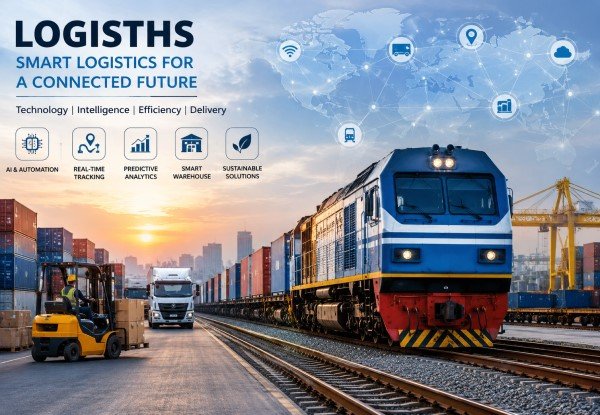
Logisths is a modern concept used to explain the future of smart logistics and digital supply chain management. Although “logisths” is not a traditional industry term, it can be used as a fresh keyword to describe intelligent logistics systems that use technology, data, automation, and human decision-making to improve business operations.
Today, logistics is no longer only about moving goods from one place to another. Businesses now need faster deliveries, accurate inventory control, real-time tracking, lower costs, and better customer experience. This is where logisths becomes useful as a modern idea. It connects logistics management with AI in logistics, smart warehousing, route optimization, predictive analytics, and supply chain technology.
For online businesses, retailers, manufacturers, healthcare companies, and delivery services, smart logistics has become essential. Customers expect speed, transparency, and reliability. Companies that use modern logistics tools can manage products more efficiently and compete better in a fast-moving market.
What Is Logisths?
Logisths can be described as a smart logistics approach that focuses on improving supply chain operations through technology and intelligent planning. It combines traditional logistics with digital tools to make transportation, warehousing, inventory, and delivery more efficient.
Simple Meaning of Logisths
In simple words, logisths means using smart systems to manage the movement, storage, and delivery of goods. Instead of relying only on manual planning, companies use data, software, automation, and AI-powered tools to make better decisions.
Why Logisths Matters
Logisths matters because modern supply chains are complex. Businesses deal with changing customer demand, rising delivery costs, stock problems, shipping delays, and strong competition. A smart logistics system helps reduce these problems and improves overall performance.
Logisths and Logistics Management
Logistics management is the process of planning, controlling, and improving the movement of goods. Logisths builds on this idea by adding digital intelligence. It helps businesses manage their supply chain with more accuracy and flexibility.
Traditional Logistics Management
Traditional logistics usually focuses on:
- Transportation
- Warehousing
- Inventory control
- Order fulfillment
- Delivery planning
This system is useful, but it may become slow when customer demand changes quickly.
Modern Logisths Approach
A logisths-based approach includes:
- AI in logistics
- Smart logistics solutions
- Supply chain technology
- Real-time shipment tracking
- Predictive analytics
- Warehouse automation
- Route optimization
- Human-in-the-loop decision-making
This makes logistics more proactive instead of reactive.
Key Features of Logisths
Real-Time Tracking
Real-time tracking is one of the most important features of smart logistics. It allows businesses and customers to see where a shipment is during the delivery process. This improves transparency and builds trust.
Smart Inventory Management
Inventory problems can hurt any business. Too much stock increases storage costs, while low stock can cause missed sales. Logisths supports smarter inventory management by helping companies track stock levels and plan restocking more accurately.
Route Optimization
Route optimization helps delivery teams choose better routes. It can reduce delivery time, fuel usage, and transport costs. This is especially useful for e-commerce companies and local delivery services.
Predictive Analytics
Predictive analytics uses past and present data to predict future demand or possible delays. This helps businesses prepare early and avoid unnecessary problems.
Warehouse Automation
Warehouse automation improves picking, packing, sorting, and storage. It reduces manual errors and helps warehouses process orders faster.
Role of AI in Logisths
AI in logistics is one of the strongest parts of the logisths concept. Artificial intelligence helps companies analyze large amounts of data and make better decisions.
AI for Demand Forecasting
AI can help businesses understand future customer demand. This is useful for planning inventory and avoiding stock shortages.
AI for Delivery Planning
AI can suggest better delivery schedules and routes. This improves delivery speed and reduces unnecessary transport costs.
AI for Risk Detection
AI tools can help identify supply chain risks, such as delays, low stock, or changing demand patterns. This allows companies to respond earlier.
Benefits of Logisths for Businesses
Better Efficiency
Logisths helps businesses improve speed and accuracy. It reduces manual work, improves coordination, and supports better decision-making.
Lower Costs
Smart logistics can reduce costs through better route planning, improved inventory control, reduced waste, and fewer delivery delays.
Improved Customer Experience
Customers want fast delivery, clear updates, and reliable service. Logisths helps businesses provide better customer satisfaction through tracking and timely delivery.
Stronger Supply Chain Visibility
Supply chain visibility means knowing what is happening across the entire supply chain. This helps companies make informed decisions and solve problems faster.
Better Sustainability
Logisths can support sustainability by reducing unnecessary travel, fuel consumption, packaging waste, and inefficient storage practices.
Logisths in Different Industries
E-Commerce
E-commerce businesses need fast order processing and reliable delivery. Logisths helps online stores manage orders, track shipments, and improve customer service.
Retail
Retail businesses use smart logistics to manage stock, move products between stores, and avoid empty shelves.
Manufacturing
Manufacturers need materials on time to keep production running. Logisths helps them manage suppliers, inventory, and delivery schedules more effectively.
Healthcare
Healthcare logistics requires accuracy and speed. Medicines, equipment, and medical supplies must be delivered safely and on time.
Food and Beverage
Food logistics depends on freshness and timing. Smart logistics tools can help reduce spoilage and maintain product quality.
Challenges of Logisths
Initial Investment
Modern logistics technology may require investment. Small businesses can start with simple inventory software, tracking tools, or delivery management systems.
Data Security
Because logisths depends on digital systems, data protection is important. Businesses must secure customer data, shipment information, and business records.
Staff Training
Employees need training to use logistics software and AI tools properly. Without training, technology may not give the best results.
System Integration
Some companies use old systems. Connecting new logistics tools with existing systems can take time and planning.
How Businesses Can Start Using Logisths
Identify Current Problems
Businesses should first check where they face problems. These may include late deliveries, high costs, poor inventory control, or weak tracking.
Choose the Right Tools
Not every business needs expensive software. Companies should select tools based on budget, size, and business goals.
Train Employees
A smart logistics system works best when employees understand how to use it. Training helps teams work more confidently.
Track Performance
Businesses should monitor delivery speed, inventory accuracy, customer feedback, warehouse performance, and transportation costs.
Future of Logisths
The future of logisths is connected with AI, automation, robotics, real-time data, cloud-based platforms, and sustainable supply chain management. As customer expectations continue to grow, businesses will need smarter logistics systems.
In the future, logistics will become more predictive. Companies will use data to prevent problems before they happen. Businesses that adopt smart logistics early can improve efficiency and build stronger customer trust.
Quick Info About Logisths
Focus Keyword: Logisths
Main Topic: Smart logistics and supply chain technology
Best Related Keywords: AI in logistics, logistics management, smart logistics, supply chain management, warehouse automation, route optimization
Best Category: Business, Technology, or Leadership and Innovation
Best Audience: Business owners, e-commerce brands, logistics managers, students, and technology readers
Content Type: Informational SEO article
FAQs About Logisths
What does logisths mean?
Logisths can be used as a modern concept for smart logistics, digital logistics, and technology-based supply chain management.
Is logisths an official logistics term?
No, logisths is not a widely recognized official logistics term. It is better to present it as a modern concept related to smart logistics and supply chain technology.
Is logisths useful for businesses?
Yes, the concept is useful because it explains how businesses can improve delivery, inventory, tracking, and supply chain performance.
How is AI used in logisths?
AI is used for demand forecasting, route optimization, delivery planning, inventory management, and risk detection.
Is logisths related to supply chain management?
Yes, logisths is closely related to supply chain management because it focuses on improving the flow of goods, data, and decisions.
Can small businesses use logisths?
Yes, small businesses can start with basic tools such as inventory software, shipment tracking, and delivery management systems.
Conclusion
Logisths is a modern concept that explains how logistics is becoming smarter, faster, and more technology-driven. While it is not a traditional official term, it can be used carefully as a fresh keyword for smart logistics, AI in logistics, and digital supply chain management.
The value of logisths comes from its focus on better planning, real-time tracking, predictive analytics, warehouse automation, and improved customer experience. Businesses that use smart logistics tools can reduce costs, improve efficiency, and build a more reliable supply chain.