Priority Infrastructure Plan: A Smart Strategy for Sustainable City Growth in 2026
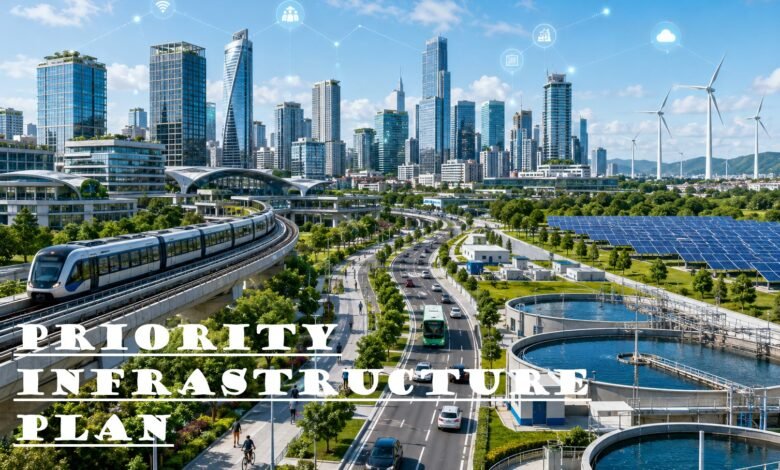
Understanding the Importance of a Priority Infrastructure Plan
Urban areas are growing rapidly across the globe, and this expansion demands careful planning and execution. As cities face mounting pressures related to population growth, climate change, and technological advancements, infrastructure development must be strategic and efficient. This is where a Priority Infrastructure Plan (PIP) becomes essential. It helps ensure that the most critical infrastructure projects are identified, prioritized, and executed in a way that benefits residents, businesses, and the environment.
In this article, we will explore the significance of a Priority Infrastructure Plan, its components, how it works, and why it is vital for cities in 2026. We will also cover related keywords like “urban planning,” “sustainable infrastructure,” and “smart cities,” which are crucial to understanding the broader scope of infrastructure planning.
What is a Priority Infrastructure Plan?
A Priority Infrastructure Plan is a strategic document that outlines and prioritizes the most crucial infrastructure projects required for the sustainable growth of a city or region. It is a roadmap that guides decision-makers in selecting the most urgent and impactful projects, taking into account available resources, future growth projections, and long-term needs.
The plan typically includes infrastructure elements such as:
- Transportation Networks: Roads, public transit, and pedestrian routes
- Utilities: Water supply, power grids, sewage systems
- Social Infrastructure: Healthcare facilities, schools, emergency services
- Digital Infrastructure: Broadband and communication networks
- Resilience Planning: Adaptation to climate change, flood control, and disaster management systems
A well-structured Priority Infrastructure Plan helps prevent haphazard development, reducing wasteful spending while ensuring that essential services are accessible to all.
Why Do Cities Need a Priority Infrastructure Plan in 2026?
The demand for infrastructure is constantly evolving. With the rapid increase in urban populations and the strain on existing infrastructure, cities must plan ahead. Here’s why a Priority Infrastructure Plan is crucial in 2026:
1. Addressing Urbanization Challenges
As more people move to urban areas, cities must expand and upgrade their infrastructure to accommodate the growing population. Without a comprehensive plan, cities risk overwhelming their existing systems, leading to issues like traffic congestion, water shortages, and unreliable energy supply.
2. Mitigating Climate Change Risks
Climate change has exacerbated the need for resilient infrastructure. Flooding, extreme weather, and rising temperatures are placing pressure on cities to adopt sustainable solutions. A Priority Infrastructure Plan helps identify the projects needed to build climate-resilient infrastructure, such as improved drainage systems and energy-efficient buildings.
3. Enhancing Quality of Life
Efficient infrastructure contributes directly to the well-being of citizens. When essential services such as water, electricity, and public transportation are reliable, daily life becomes more manageable. The Priority Infrastructure Plan ensures that projects are aligned with the community’s needs and quality-of-life improvements.
How Does a Priority Infrastructure Plan Work?
The development of a Priority Infrastructure Plan involves several key steps:
1. Assessment of Existing Infrastructure
The first step in creating a PIP is to evaluate the current state of infrastructure. Planners look at existing facilities, including transportation, utilities, and social services, to determine their capacity and condition.
2. Identifying Future Needs
Planners then forecast future needs based on population growth, technological advancements, and climate change projections. For example, a growing population may require more housing, roads, and public transport, while climate concerns may necessitate flood control measures.
3. Prioritization of Projects
After assessing current infrastructure and future needs, planners prioritize projects based on urgency, feasibility, and long-term benefits. Essential projects like water supply and flood control might be given priority over aesthetic enhancements like parks or decorative spaces.
4. Budget Allocation and Scheduling
Once priorities are set, the next step is allocating the budget and setting timelines for implementation. This ensures that funds are directed toward the most urgent projects and that they are completed on schedule.
5. Monitoring and Evaluation
A Priority Infrastructure Plan is not a static document. It requires ongoing monitoring to assess progress and make adjustments as conditions change. Regular evaluations ensure that the plan remains relevant and responsive to new challenges.
Key Components of a Successful Priority Infrastructure Plan
A comprehensive Priority Infrastructure Plan includes several critical components that work together to ensure the success of the projects. These include:
1. Data-Driven Planning
Data is essential in identifying infrastructure needs. Planners use demographic, economic, and environmental data to predict future trends and demands.
2. Sustainability and Resilience
The plan must focus on sustainable practices and resilience, especially as cities face environmental challenges. Sustainable infrastructure includes the use of renewable energy, efficient water management systems, and flood-resistant design.
3. Public Participation
Engaging the community is vital in making informed decisions. Public consultation helps identify local priorities, concerns, and preferences, ensuring that the Priority Infrastructure Plan aligns with the needs of residents.
4. Coordination Across Sectors
The implementation of infrastructure projects often requires coordination between various sectors such as transportation, housing, water management, and energy. A successful plan ensures that all sectors work together to achieve the overall goals.
Why a Priority Infrastructure Plan Matters for Daily Life
A Priority Infrastructure Plan directly impacts daily life by improving the reliability and accessibility of essential services. Here’s how it makes a difference:
1. Reducing Traffic Congestion
With proper planning, transportation networks can be upgraded to reduce traffic jams and make commuting more efficient. This includes expanding roads, developing public transportation, and introducing smart traffic systems.
2. Improving Water and Waste Management
A reliable water supply and effective waste management systems are essential for public health. The Priority Infrastructure Plan ensures that cities have adequate resources for water treatment, sewage disposal, and recycling.
3. Ensuring Reliable Power Supply
With the growing demand for electricity, cities must upgrade their power grids to avoid blackouts. A well-designed plan ensures a stable energy supply, especially with the integration of renewable energy sources like solar and wind.
Related Keywords for a Priority Infrastructure Plan
In addition to the main term “Priority Infrastructure Plan,” several related keywords help expand the scope of urban planning. These keywords include:
- Urban Development: The growth and improvement of cities to meet the needs of modern society.
- Smart Cities: Cities that use digital technologies and data analytics to enhance the quality of life for residents.
- Sustainable Infrastructure: Infrastructure that is designed to minimize environmental impact and provide long-term benefits.
- Resilient Cities: Cities that are equipped to withstand and adapt to climate change and other global challenges.
- Urban Mobility: The movement of people and goods within urban areas, including public transport, cycling, and walking routes.
Quick Info & FAQs About Priority Infrastructure Plan
1. What is a Priority Infrastructure Plan?
A Priority Infrastructure Plan is a strategic roadmap that prioritizes essential infrastructure projects for cities based on urgency, future needs, and available resources.
2. Why do cities need a Priority Infrastructure Plan in 2026?
Cities need a PIP to address growing populations, climate change challenges, and to enhance the overall quality of life by upgrading essential services.
3. What sectors are included in a Priority Infrastructure Plan?
Key sectors include transportation, utilities (water, power), social infrastructure (schools, hospitals), and digital infrastructure (broadband, 5G).
4. How do planners prioritize projects?
Planners prioritize projects based on urgency, feasibility, and long-term benefits, with essential services taking precedence over non-urgent developments.
5. How does a Priority Infrastructure Plan improve daily life?
A PIP improves daily life by reducing traffic congestion, ensuring reliable utilities, and providing sustainable, climate-resilient infrastructure.
Conclusion: The Future of Infrastructure Planning
A Priority Infrastructure Plan is an essential tool for cities aiming to grow sustainably and adapt to the challenges of the 21st century. By focusing on the most critical infrastructure needs, cities can improve the quality of life for their residents, ensure environmental sustainability, and support economic growth. As urban areas continue to expand, a well-designed infrastructure plan will be key to building smarter, more resilient cities.