asbestlint: Meaning, Health Risks, Uses, Removal Cost, and Safe Handling Guide
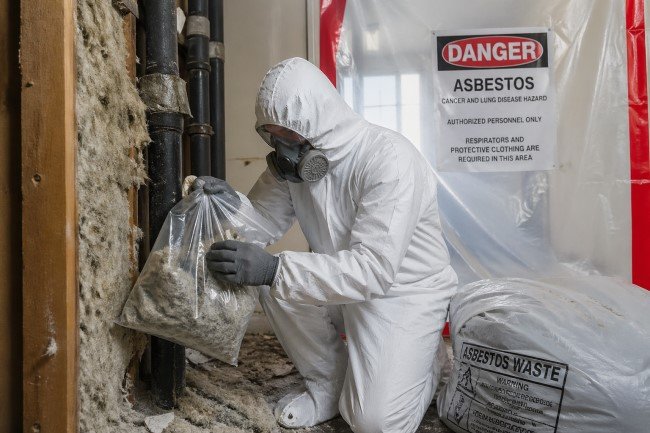
Asbestlint is a term often used to describe fine asbestos-like dust, fibers, or lint-like particles that may come from damaged asbestos-containing materials. Although “asbestlint” is not a standard scientific term, it is commonly understood as a warning word connected with asbestos dust and airborne fibers. This makes it an important topic for homeowners, workers, builders, and people living in older buildings.
Asbestos was once used in construction and industrial products because it was strong, heat-resistant, and fire-resistant. However, when asbestos materials break, age, or are disturbed, tiny fibers can enter the air. Breathing these fibers can lead to serious health problems over time.
What Is asbestlint?
Asbestlint can be understood as fine fibrous dust linked to asbestos-containing materials. It may appear around old insulation, ceiling tiles, roofing sheets, pipe covers, cement boards, floor tiles, and industrial materials.
Why Is asbestlint Dangerous?
The danger comes from the small fibers. These fibers can be too tiny to see with the naked eye. When inhaled, they may stay inside the lungs for years and slowly cause damage.
Is asbestlint the Same as Asbestos?
Asbestlint is not exactly a formal name for asbestos. It is better described as asbestos-related dust or fiber contamination. The risk depends on whether the material actually contains asbestos, which can only be confirmed through proper testing.
Historical Uses of Asbestos Materials
Before its health risks became widely known, asbestos was used in many industries.
Construction Uses
Asbestos was used in old homes, schools, factories, and commercial buildings. It was commonly found in insulation, roofing, wall boards, pipe coverings, floor tiles, and ceiling materials.
Industrial Uses
Factories used asbestos for heat protection, fireproofing, gaskets, machinery parts, and protective fabrics.
Automotive Uses
Older brake pads, clutch parts, and engine gaskets sometimes contained asbestos because it could resist heat and friction.
Health Risks of asbestlint Exposure
The biggest concern with asbestlint is breathing in asbestos fibers. Exposure does not always cause immediate symptoms, but health problems may appear many years later.
Common Diseases Linked to Asbestos
Asbestos exposure is linked to serious diseases such as:
- Asbestosis
- Lung cancer
- Mesothelioma
- Pleural disease
- Long-term breathing problems
Who Is Most at Risk?
People at higher risk include construction workers, demolition workers, plumbers, electricians, roofers, factory workers, and homeowners renovating old buildings without testing materials first.
How to Identify asbestlint in Older Buildings
You cannot confirm asbestos by looking at a material. Many asbestos-containing products look normal until they are damaged.
Common Places to Check
Asbestos-related dust may be found near:
- Old pipe insulation
- Boiler rooms
- Roof sheets
- Floor tiles
- Ceiling tiles
- Wall panels
- Duct insulation
- Old cement boards
Why Professional Testing Matters
The safest way to confirm asbestos is through professional testing. An asbestos test kit may help collect a sample, but it must be used carefully and sent to a certified lab. For safety, professional inspection is usually the better choice.
Safe Handling Practices for asbestlint
If you suspect asbestlint or asbestos dust, do not touch or disturb it.
What You Should Not Do
Never:
- Sweep asbestos dust
- Vacuum it with a normal vacuum
- Drill suspected material
- Cut or sand it
- Break old insulation
- Remove it without training
These actions can release fibers into the air.
Using an Asbestos Mask
A normal cloth mask or basic dust mask is not enough for asbestos protection. Proper asbestos work requires approved respirators, protective clothing, gloves, and controlled safety procedures. In most cases, removal should be done by trained professionals.
Using Asbestos Bags
Asbestos waste should be sealed in proper asbestos bags designed for hazardous material disposal. These bags help prevent fibers from escaping during transport and disposal. Ordinary plastic bags are not suitable.
Asbestos Removal Cost
Asbestos removal cost depends on several factors. The price can change based on the size of the area, type of material, location, difficulty of removal, testing needs, and disposal rules.
Factors That Affect Cost
The main cost factors include:
- Amount of asbestos material
- Condition of the material
- Accessibility
- Labour charges
- Safety equipment
- Testing fees
- Disposal requirements
Why Cheap Removal Can Be Risky
Low-cost removal may sound attractive, but unsafe work can spread contamination and create bigger health risks. Always choose certified asbestos professionals instead of trying to save money through unsafe methods.
Modern Alternatives to Asbestos
Today, many safer materials are used instead of asbestos.
Common Alternatives
Modern alternatives include:
- Fiberglass
- Mineral wool
- Cellulose fiber
- Ceramic fiber
- Non-asbestos cement boards
- Safer fire-resistant fabrics
These materials can provide insulation and heat resistance without the same level of asbestos-related health danger.
Quick Info About asbestlint
Keyword: asbestlint
Meaning: Asbestos-like dust or fibrous contamination
Main Risk: Inhaling harmful fibers
Common Source: Old asbestos-containing materials
Testing Method: Professional lab testing or asbestos test kit
Safe Removal: Certified asbestos removal experts
Important Safety Item: Approved asbestos mask or respirator
Disposal: Sealed asbestos bags and legal disposal methods
Best Advice: Do not disturb suspected asbestos material
FAQs About asbestlint
What is asbestlint?
Asbestlint refers to fine asbestos-like dust or fibers that may come from damaged asbestos-containing materials.
Is asbestlint dangerous?
Yes, it can be dangerous if it contains asbestos fibers and becomes airborne. Breathing these fibers can cause serious diseases over time.
Can I remove asbestlint myself?
No, it is not recommended. Suspected asbestos should be handled by certified professionals.
Can an asbestos mask protect me?
Only approved respirators can offer proper protection. A regular dust mask is not enough for asbestos exposure.
What are asbestos bags used for?
Asbestos bags are used to safely seal and dispose of asbestos waste so fibers do not spread.
Should I use an asbestos test kit?
An asbestos test kit may help identify asbestos, but professional testing is safer and more reliable.
How much is asbestos removal cost?
Asbestos removal cost depends on the size, material type, location, testing, labour, and disposal requirements.
Final Thoughts
Asbestlint may not be an official scientific term, but it points to a real safety concern: asbestos dust and fibers. If you live or work in an older building, never ignore damaged insulation, old tiles, dusty pipe coverings, or suspicious fibrous material.